Loading...
Serving Las Cruces, NM and surrounding areas. (575) 222-9104
Serving Las Cruces, NM and surrounding areas. (575) 222-9104
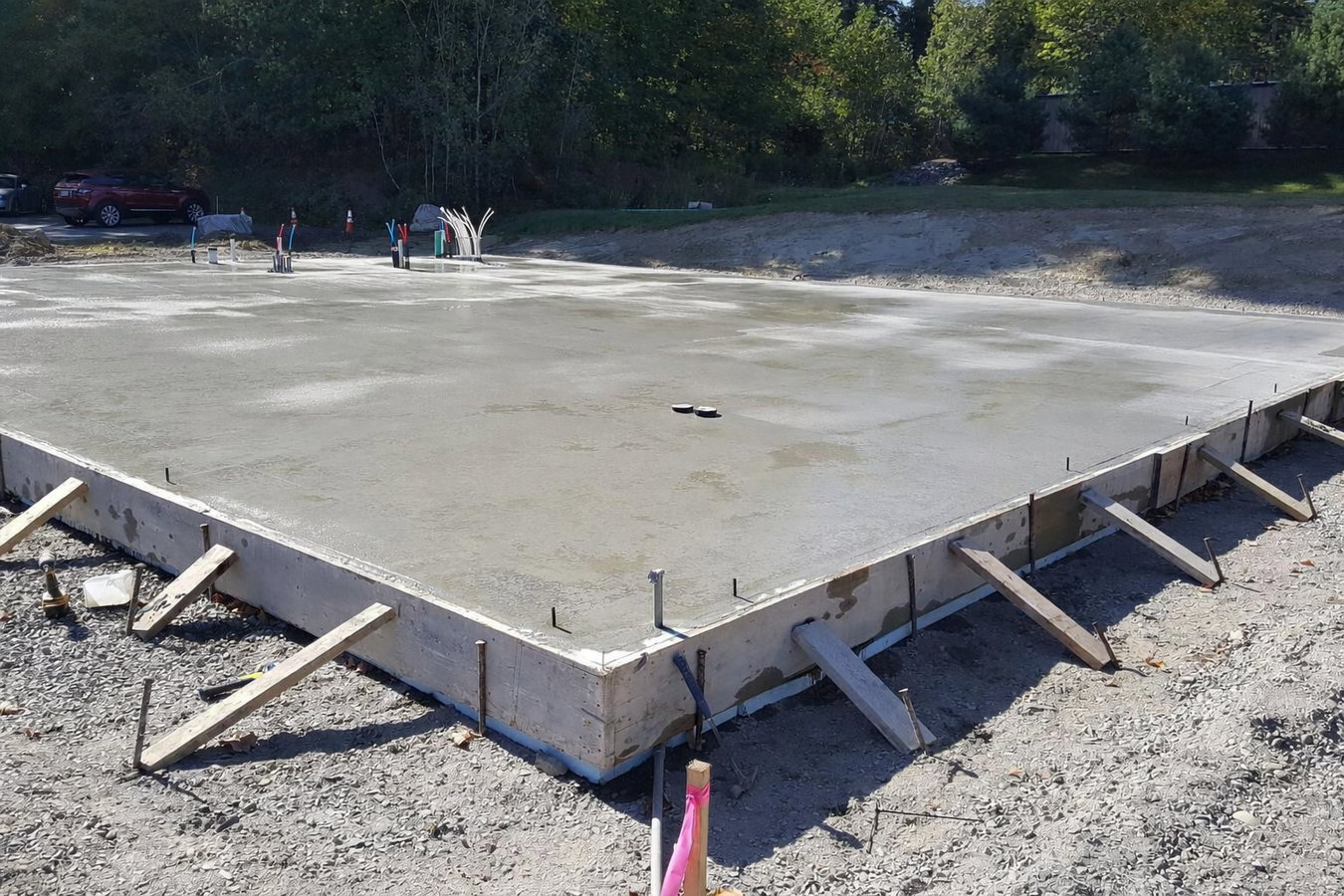
Building a home, garage, or addition? Your slab is the most important part of the project. We build reinforced concrete foundations designed for Las Cruces caliche and clay soils, permitted and inspected start to finish.
Slab foundation building in Las Cruces starts with soil assessment and subgrade compaction, then a gravel base, moisture barrier, steel reinforcement, and a permitted concrete pour - most residential slabs take two to four days of active work plus a curing window before framing can begin.
A slab foundation is the most common foundation type in Las Cruces and across the Southwest. The dry climate means you do not need a basement, and the area soils, when properly prepared, support a flat slab well. The challenge here is that the Mesilla Valley has pockets of caliche and expansive clay that move with moisture changes. Skipping or shortcutting the prep stage is the single most common cause of slab cracking in new Las Cruces construction.
For homeowners who need work that goes deeper than the slab surface, we also provide concrete footings for structural columns and load-bearing points, which are often part of the same new construction project.
If you are planning a new home, garage, workshop, or room addition in Las Cruces, a slab foundation is almost certainly what your contractor will recommend and what the city will expect to see permitted and inspected. The moment you have a footprint to build on, you need a slab designed for the specific soil conditions on your lot.
Hairline cracks in concrete are normal, but cracks wider than about a quarter-inch, cracks that run in a long diagonal line, or cracks where one side is higher than the other signal that the slab has shifted. In Las Cruces, this is often caused by the clay and caliche soils expanding and contracting with monsoon moisture, a pattern that gets worse over time without attention.
When a slab shifts, the walls and door frames above it shift too. If doors that used to swing freely now stick, will not latch, or show gaps at the corners of window frames, the foundation below may be moving. This is worth having a contractor assess sooner rather than later, because foundation problems are much cheaper to address early.
If water pools against your foundation after Las Cruces monsoon storms rather than draining away, it is soaking into the soil and driving the expansion-and-contraction cycle that damages slabs. This is both a drainage problem and a foundation risk, and it is worth addressing before you build or before an existing slab deteriorates further.
We build slab foundations for new home construction, detached garages, room additions, and accessory structures throughout the Las Cruces area. Every project starts with a site visit to assess soil conditions - because in the Mesilla Valley, the ground varies enough from one lot to the next that no responsible contractor gives a price over the phone. We test and compact the subgrade, install a gravel drainage base, lay a polyethylene moisture barrier, and place the steel reinforcement inside the form before any concrete is poured.
For projects that involve structural load points, posts, or columns, we integrate concrete footings directly into the slab design so both elements are engineered together. Larger projects that require a full structural system are handled in coordination with our foundation installation service, which covers stem wall and more complex foundation types for multi-story or commercial-adjacent residential builds. We pull all required City of Las Cruces permits and coordinate the foundation inspection before framing begins, so the city sign-off is in your file before the walls go up.
The Portland Cement Association publishes standards for slab-on-grade construction that we follow on every job, and every pour in Las Cruces is managed with hot-weather protocols, early-morning start times, and moist-curing procedures to account for temperatures that regularly exceed 100 degrees in summer.
Suits homeowners and builders starting a new residential build in Las Cruces who need a permitted, inspected slab sized for the full footprint.
Suits detached garages, workshops, casitas, and accessory structures where a standalone concrete pad with correct drainage is required.
Suits existing homes being expanded with an attached addition where the new slab must match the elevation and drainage of the existing foundation.
Suits projects with structural posts, columns, or beam pockets where footings must be tied into the slab pour as a single engineered assembly.
Las Cruces sits in the Mesilla Valley, and the soil profile here is not uniform. Much of the valley floor has caliche layers that sit anywhere from a few inches to several feet below the surface. Below or alongside the caliche you often find clay soils that absorb monsoon moisture and then shrink back as the desert dries out. That wet-dry cycle puts pressure on any slab that was not prepared with a deep enough compacted base and a proper gravel drainage layer. Homes on the East Mesa sit on a different profile, typically harder, rockier ground that requires different equipment to excavate but is often more stable once properly prepared.
Las Cruces also has a narrow ideal window for pouring. Spring, roughly February through May, and fall, October through November, give the best curing conditions. Summer pours above 100 degrees require early-morning scheduling and active surface protection. The monsoon season, July through September, creates a real risk of flooded excavation sites and rain-compromised base material. We build these calendar realities into every project timeline from the first site visit. Homeowners in Las Cruces and out toward Anthony and Sunland Park all deal with variations of these same Chihuahuan Desert soil and climate conditions.
The rapid growth in new construction across Las Cruces, driven by proximity to El Paso and expansion of White Sands Missile Range employment, means experienced concrete crews book up quickly, especially in the preferred spring and fall windows. Getting on the schedule early and having your permit in process before your target start date is practical advice that saves most homeowners several weeks of wait time.
We schedule a property walk within one business day of your call. Soil conditions, lot access, and slab dimensions are assessed in person before any number is given. Written estimates follow within a few days.
We apply for the City of Las Cruces building permit on your behalf. Approval typically takes one to two weeks. We build that window into your project timeline so there are no surprises.
Once the permit is in hand, the crew grades and compacts the subgrade, lays the gravel base and moisture barrier, builds the wooden forms, and sets the steel reinforcement. This stage takes one to two days.
The pour is scheduled for early morning to avoid peak heat. After the surface is finished, the slab cures for several days before a city inspector reviews the work. You receive the sign-off before framing begins.
We will walk your property, assess the soil, and give you a written, itemized estimate - no obligation, no pressure.
(575) 222-9104Las Cruces caliche and clay soils cannot be handled with a generic compaction plan. We assess each lot and adjust base depth, gravel volume, and reinforcement spacing to match what is actually in the ground under your property. Homeowners who have seen other local contractors crack slabs within a few monsoon seasons understand why this step matters.
Every slab foundation we build goes through the City of Las Cruces permit and inspection process. That city sign-off is your permanent record that the work was done correctly. It matters when you sell, when you insure, and when you build on top of the slab years from now.
Las Cruces crews who ignore heat management pour weaker slabs, full stop. We schedule early-morning pours, protect surfaces during the critical first 24 hours, and use curing compounds where conditions require them. This is standard practice for us, not an upgrade.
We have worked on slab projects from downtown Las Cruces to the East Mesa, out toward Anthony and Sunland Park, and across the wider southern New Mexico and El Paso region. That breadth means we have encountered the soil variation that most local-only crews have not.
Las Cruces has seen consistent population growth and a strong new construction market. That demand means homeowners who wait to schedule often find themselves pushed into the difficult summer window. Calling early, getting a written estimate, and locking in a spring or fall start date is the practical move for anyone planning a foundation project in the Las Cruces area.
When your project calls for a stem wall, more complex structural system, or a foundation type beyond a standard slab, our foundation installation service covers the full scope.
Learn moreStructural posts, columns, and load-bearing points in a slab project require properly designed footings - we integrate them into the pour so both elements work together.
Learn moreConcrete crews book up fast in spring and fall. Contact us now to walk your property and lock in your start date before the schedule fills.