Loading...
Serving Las Cruces, NM and surrounding areas. (575) 222-9104
Serving Las Cruces, NM and surrounding areas. (575) 222-9104
A foundation is the one part of your home you can never go back and fix without tearing everything else apart. We install concrete foundations in Las Cruces designed for the local caliche and clay soils, permitted, inspected, and built to carry your home for decades.
Foundation installation in Las Cruces covers the full process from excavation and soil preparation through the concrete pour and city inspection - most residential projects take two to five days of active work plus a permit and curing window before framing can begin, totaling two to four weeks from signed contract to a foundation ready to build on.
Your foundation is the part of the project that cannot be corrected after the fact without tearing the building apart. That makes the installation phase the most consequential work on any new home or addition in Las Cruces. The challenges here are specific: the Chihuahuan Desert soil, caliche layers that resist excavation, clay that moves with monsoon moisture, and summer temperatures that require careful concrete management if the slab is to reach its designed strength.
For larger projects that involve a significant flatwork scope alongside the foundation, we also provide full slab foundation building services, allowing both the foundation system and any adjacent slabs to be built under a single coordinated project.
If you have a construction project that requires a foundation from scratch, a new home, detached garage, or room addition in Las Cruces, this service is the starting point. The scope of your project determines whether a standard slab, a stem wall, or a more complex foundation system is the right call for your lot.
When a foundation shifts or settles unevenly, the frame of the house moves with it, and the first sign is usually doors and windows that feel tight, stick, or will not latch. In Las Cruces, this can happen when the caliche or clay soils beneath a slab shift after a wet monsoon season followed by an extended dry period.
Small hairline cracks in drywall are common and usually harmless. But cracks wider than a pencil tip, diagonal cracks running from door corners, or cracks in the floor itself can signal the foundation is moving. In Las Cruces, these cracks sometimes appear or worsen after an active monsoon season followed by rapid drying.
Walk slowly across your floors and pay attention to spots that feel noticeably lower, higher, or springy underfoot. On a slab foundation, this can mean the concrete has cracked or that voids have formed underneath, something that happens in Las Cruces soils when moisture levels change dramatically across a season.
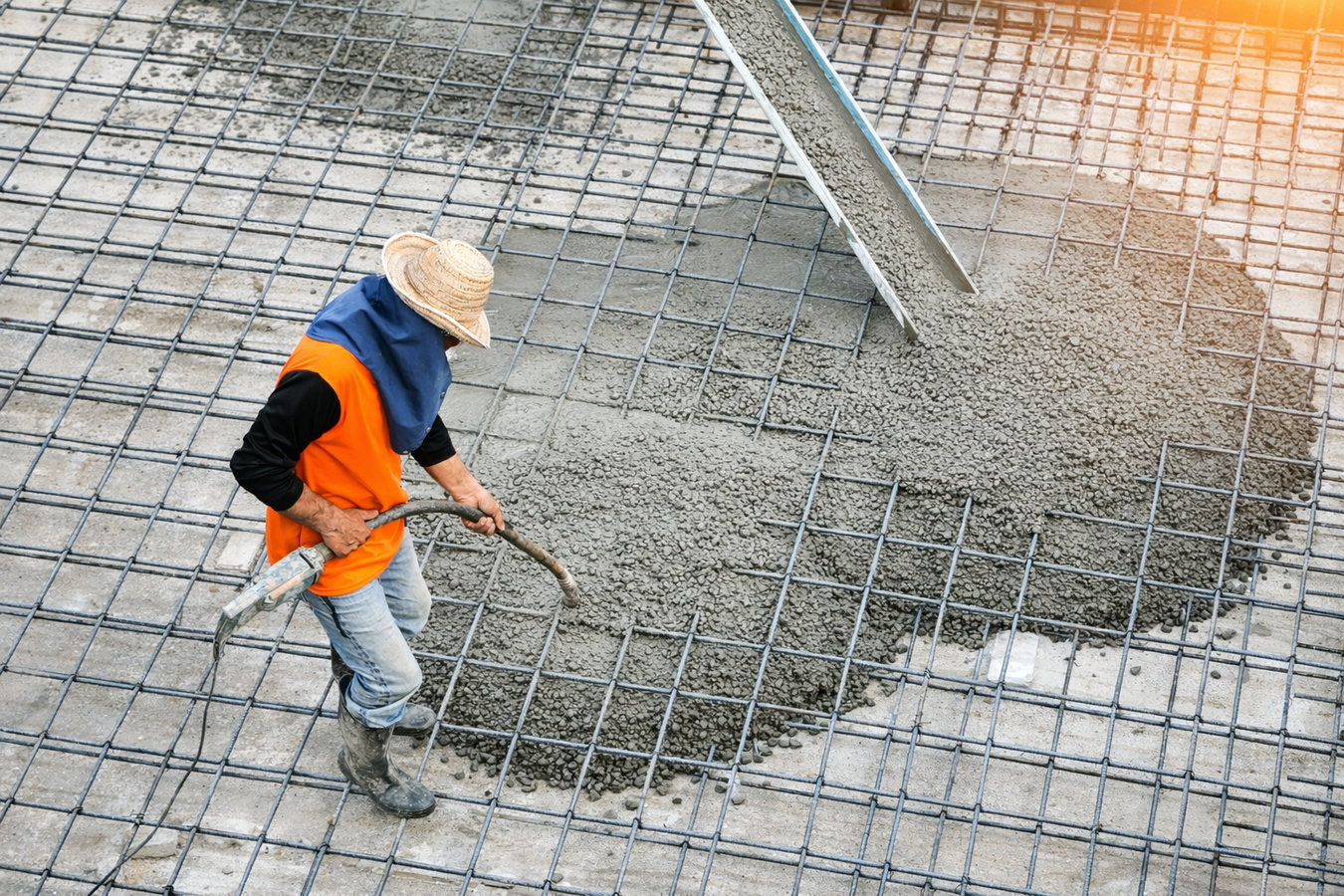
We install concrete foundations for new homes, additions, and accessory structures across the Las Cruces area, from the Mesilla Valley floor to the harder-ground lots on the East Mesa and Sonoma Ranch. Our standard process covers excavation, grading, soil compaction, gravel base installation, moisture barrier placement, steel reinforcement, forming, and the concrete pour itself, managed with the hot-weather protocols that the Las Cruces climate requires. Every project is permitted through the New Mexico Construction Industries Division and inspected before framing begins.
For projects that involve parking areas, driveways, or commercial-adjacent flatwork tied to the structure, we can coordinate the foundation with our concrete parking lot building service so both the structural and flatwork concrete are poured under one plan. We also work alongside our slab foundation building crew on larger projects where the residential slab and more complex structural elements need to be coordinated as a single engineered system. The American Concrete Institute standards for residential foundation concrete guide our mix specifications and curing procedures on every pour.
No project starts with a phone quote. We visit every lot in person before giving a number, because soil conditions in Las Cruces vary enough from street to street that any estimate not based on a site walk is unreliable. You will receive a written, itemized estimate that covers excavation, base material, reinforcement, and the pour, with no line items that appear after work has started.
Suits new homes, garages, and additions on lots where a flat concrete pad poured directly on prepared ground is the right structural call for the soil conditions.
Suits projects where the design calls for raising the home slightly above grade, typically on sloped lots or where drainage requires the living space to sit above the slab level.
Suits homeowners expanding an existing home where the new foundation must match the elevation and drainage profile of the original slab without compromising either structure.
Suits detached garages, casitas, workshops, and similar structures in the Las Cruces area that need a permitted, inspected foundation independent of the main home.
The soil in the Mesilla Valley is not homogenous. The valley floor has pockets of caliche, sometimes a few inches down, sometimes several feet, alongside clay-heavy soils that absorb water from monsoon storms and then shrink back as the desert dries. That expansion-and-contraction cycle repeats every year, and it is the reason so many foundations in Las Cruces develop problems that trace back to inadequate site preparation at the time of the original pour. The East Mesa and newer developments in Sonoma Ranch and Picacho Hills sit on harder, rockier ground that requires different excavation equipment but often offers a more stable base once properly prepared.
Timing matters too. Las Cruces foundation work is most straightforward in spring and fall when temperatures are moderate and rain is rare. The summer monsoon season, July through September, brings sudden heavy storms that can flood an open excavation and wash away compacted base material overnight. Summer heat above 100 degrees requires active curing management to prevent the concrete from drying too fast. Homeowners in Las Cruces and outlying areas like Chaparral and El Paso all face versions of these same Chihuahuan Desert construction challenges.
Las Cruces has been growing steadily, driven by proximity to El Paso and expansion of White Sands Missile Range employment. That growth keeps demand for foundation work high, and experienced crews book up quickly in the preferred spring and fall windows. Planning ahead and getting into the schedule early is practical advice that saves most homeowners weeks of unnecessary delays.
We schedule a property walk within one business day of your call. Every Las Cruces lot is assessed in person before any number is given. We look at soil conditions, lot access, grade, and drainage before we commit to a price.
Once you approve the estimate, we apply for the required building permit through the New Mexico Construction Industries Division. Processing typically takes a few business days to two weeks. We track this and keep you updated so you know your start date.
With the permit in hand, the crew excavates to stable ground, compacts the subgrade, lays the gravel drainage base and moisture barrier, and sets the steel reinforcement inside the forms. For lots with caliche, this stage may require heavier equipment and an additional day.
The pour is scheduled for early morning to minimize heat risk. After the surface is finished, the concrete cures for at least five to seven days. The city inspector reviews the work before framing begins, and you receive the sign-off in writing.
We visit every lot in person before quoting. Call or send a message and we will get back to you within one business day.
(575) 222-9104In Las Cruces, the soil under one property can be dramatically different from the soil two streets over. We assess your specific lot before we design anything, so the foundation is built for your ground conditions, not a regional average. Homeowners who have dealt with settling or cracking from a previous installation know exactly why this step matters.
We hold a current New Mexico contractor's license through the Construction Industries Division, which you can verify directly on the state's online lookup tool. Every foundation project we install is permitted and inspected. That city sign-off is your permanent record that the work was done correctly.
We have installed foundations from the Las Cruces metro to El Paso, Alamogordo, and across the wider Chihuahuan Desert region. That reach means we have worked in the soil and climate variation that limits what purely local crews have encountered.
Las Cruces summer temperatures regularly hit 105 degrees. Concrete poured carelessly in that heat comes out of the mold weaker than it was designed to be. Every summer project we run uses early-morning start times and active curing management as a baseline practice, not an upsell.
Foundation installation is not a job where cutting corners shows up right away. The problems appear years later, after the house is built and occupied, when fixing them means disrupting everything built on top. We work the way we do because our reputation in this market depends on foundations that are still performing correctly long after the project is closed.
For commercial or mixed-use projects where parking flatwork needs to be designed and poured in coordination with the building's foundation.
Learn moreWhen your project scope is a residential slab-on-grade for a home or garage, our slab foundation service covers that work as a dedicated engagement.
Learn moreFoundation crews fill up fast in the preferred spring and fall windows. Contact us today for a free site visit and written estimate, no obligation.