Loading...
Serving Las Cruces, NM and surrounding areas. (575) 222-9104
Serving Las Cruces, NM and surrounding areas. (575) 222-9104
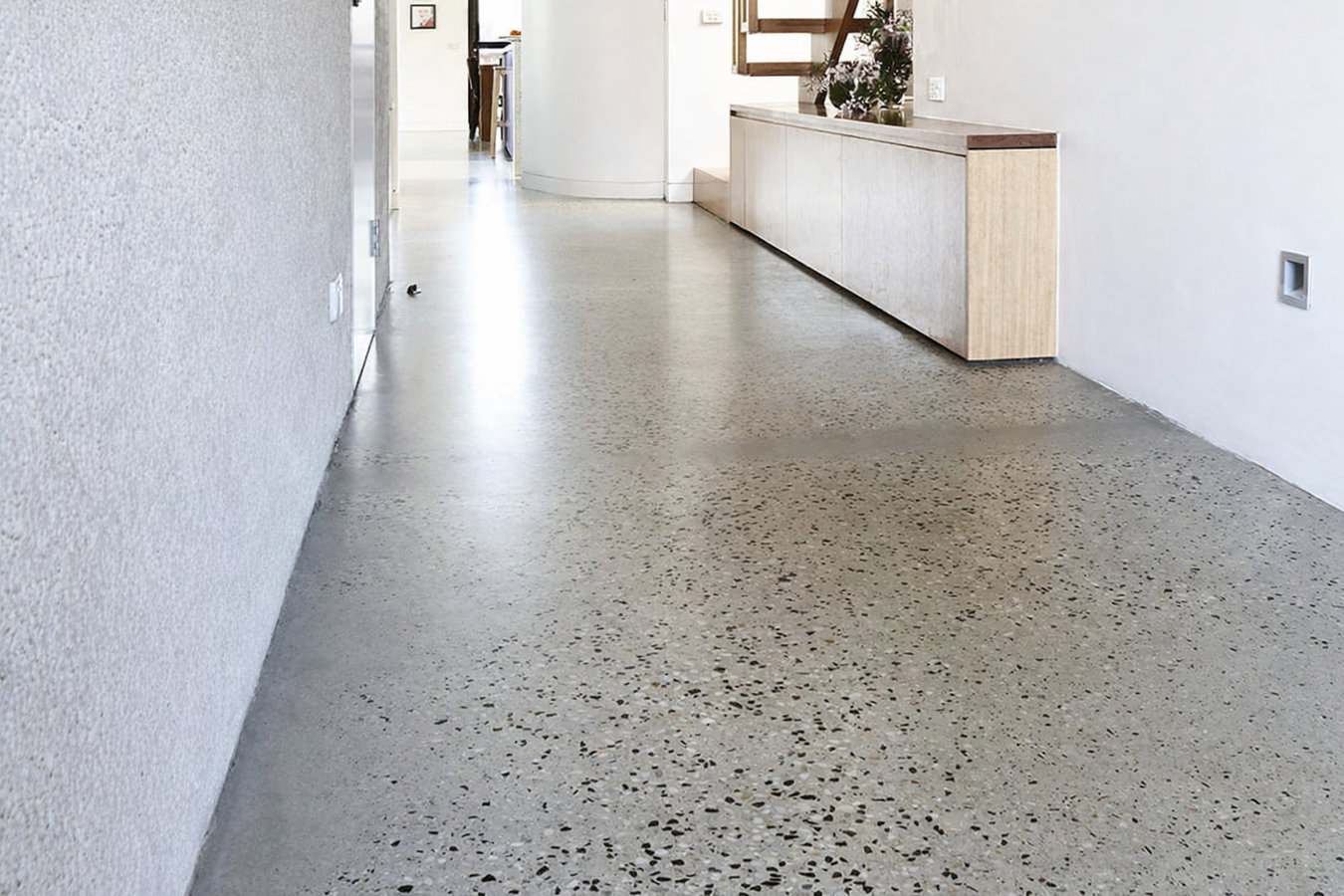
A new concrete floor is only as good as the ground prep underneath it. We install concrete floors in Las Cruces with caliche-ready excavation, proper drainage grading, and hot-weather curing so your slab holds up in the desert for decades.
Concrete floor installation in Las Cruces covers clearing and grading the area, addressing any caliche or soil issues in the base, setting forms, placing reinforcement, pouring and finishing the slab, and curing it properly against desert heat - most residential jobs take one day of active work followed by a one-to-two week cure period.
The pour itself is the fastest part. The prep work underneath is what determines whether the slab stays flat and solid for 25 years or starts cracking within the first few seasons. In Las Cruces, two things make that prep more demanding than in most of the country: the caliche layer that sits just below the surface in many yards, and the intense summer heat that pulls moisture out of fresh concrete before it can cure if the contractor does not take the right precautions. If you are replacing an aging garage slab or adding a patio, our garage floor concrete service and this general floor installation service often cover similar scope - the key difference is site access and the specific finish needed.
Las Cruces requires permits for concrete slabs that are part of a structure. We handle the application so you do not have to make a separate trip to the city, and we coordinate the inspection visits at the right stages of the job.
A crack wide enough to fit a quarter has gone beyond cosmetic settling. In Las Cruces, where soils expand when wet during monsoon season and contract as they dry, cracks that are actively growing in width or running diagonally across a large section often mean the base underneath has shifted. Patching at that point is a short-term fix.
A floor that holds standing water is either not graded correctly or has settled unevenly. During monsoon season in Las Cruces, that pooling can push water toward your foundation or accelerate surface deterioration. A new pour is the opportunity to fix the grade permanently rather than fighting the same drainage problem indefinitely.
When the top layer chips away in thin flakes or the slab surface leaves a fine dust no matter how much you sweep, the concrete itself has broken down. In Las Cruces, intense UV exposure and heat cycles accelerate this kind of surface failure on older slabs. Surface patches buy time, but a floor in this condition typically needs full replacement.
If one section of your floor has risen or sunk relative to the next, creating a step where there was once a flat surface, that is a safety hazard and a sign of soil movement beneath the slab. Soils in parts of Las Cruces expand and contract with each monsoon wet-dry cycle, which causes exactly this kind of uneven settling over time.
We install concrete floors for garages, patios, basements, workshops, and covered outdoor areas across Las Cruces and the surrounding region. Each project starts with a site visit to assess the ground, measure the space, and discuss how you plan to use the floor - those three things together determine the right slab thickness, reinforcement approach, and finish.
Finish options range from a standard broom texture for grip and durability to stamped and stained surfaces for homeowners who want a decorative result. For properties that also need an adjacent pool deck or outdoor entertainment surface, our concrete pool deck service can be scoped alongside floor work for a single mobilization. Every project includes proper drainage grading - slabs are finished so water moves away from your home, not toward it, which matters a great deal when Las Cruces monsoon storms arrive.
We handle permits for any slab that requires one, and we do not shortcut the curing period to free up the schedule faster.
Four to six inches thick depending on vehicle weight - built with reinforcement and proper base preparation for Las Cruces soil conditions.
Graded for monsoon drainage and finished in your choice of broom texture, stamped pattern, or stained surface for outdoor living areas.
Smooth or textured finishes for workshops, storage areas, and indoor utility spaces where function and cleanability matter most.
Las Cruces sits in the Chihuahuan Desert, and that climate creates two conditions that affect concrete floors specifically. First, the summer heat - temperatures regularly above 100 degrees from June through September - draws moisture out of fresh concrete faster than it can cure, leaving a weaker slab prone to surface cracking. A contractor who schedules pours for early morning and uses curing compounds or shade cloth during the heat of the day produces a fundamentally better result than one who ignores the heat. The ideal window for new concrete work in Las Cruces is late fall through early spring, and booking ahead during that window gets you the best conditions.
Second, the caliche layer that runs through much of the soil in the Mesilla Valley and on the east mesa creates an uneven base if it is not properly addressed before pouring. Homes in the older subdivisions near downtown that were built in the 1970s and 1980s often have slabs that are now reaching the end of their useful life - and replacement is more cost-effective than continuing to patch the same areas. Newer homes in areas like Sonoma Ranch on the east mesa sit on rocky substrate that requires its own evaluation.
We serve homeowners throughout the greater Las Cruces area, including Sunland Park, Anthony, and El Paso. Call us and we will come out to look at your site before giving you any numbers.
We visit your property to measure the area, assess the soil, review drainage, and discuss finish options before quoting. Written estimates include a breakdown of labor, materials, and any needed ground prep - not just a single lump number.
We submit any required permit to the City of Las Cruces and schedule the pour during the best available weather window. For summer work, we plan early-morning pours to avoid peak heat. You will hear from us within 1 business day of your estimate request.
We clear the area, excavate to the right depth, break up any caliche, compact the base, and set forms with steel reinforcement inside. Everything the pour relies on is in place before the concrete truck arrives.
The slab is poured, finished to your specified texture, and control joints are cut. We apply a curing compound to slow moisture loss in the desert heat. After the cure period, we walk through the finished work with you and answer any questions about maintenance.
We respond to all estimate requests within 1 business day.
We respond within 1 business day. No obligation - just a free on-site estimate with a written price that accounts for your soil conditions and the time of year. Someone from our office will call to schedule your site visit.
(575) 222-9104New Mexico requires concrete contractors to hold a Construction Industries Division license. We provide our license number before you commit to anything, and you can verify it yourself through the state's online lookup in about two minutes. That license means insurance is in place and there is regulatory accountability if anything goes wrong.
We schedule Las Cruces pours for early morning during warm months and apply curing compounds on every slab to slow moisture loss. That step costs almost nothing extra and prevents the surface cracking that turns a 30-year floor into a 5-year repair project in the desert heat.
We check your soil before quoting and factor any needed caliche excavation into the written estimate. You will not receive a mid-project change order because we found rock after the job started. That transparency is a basic expectation for any contractor who has worked in Las Cruces for more than a season.
Every floor we install is finished so water drains away from your home. On a single monsoon storm that drops an inch of rain in one hour, that grade is the difference between a dry garage and water pooling against your foundation. It is standard in how we build, not an optional upgrade.
A properly installed concrete floor is one of the lowest-maintenance surfaces you can put in a garage, patio, or utility space. We build them to hold up in this climate and give you something you do not have to think about for decades. You can review Portland Cement Association guidance on hot-weather concreting to understand what good practice looks like in desert climates, and verify any NM contractor license through the Construction Industries Division before signing a contract with anyone.
Pairing a new floor installation with a pool deck creates a unified outdoor surface that handles Las Cruces heat and monsoon drainage from a single pour schedule.
Learn moreGarage-specific concrete work with vehicle-load thickness, epoxy or stain finish options, and the drainage grading that keeps monsoon runoff out of your bay.
Learn moreBooking in cooler months gives your pour the best conditions - reach out now for a free on-site estimate and a written price with no obligation.