Loading...
Serving Las Cruces, NM and surrounding areas. (575) 222-9104
Serving Las Cruces, NM and surrounding areas. (575) 222-9104
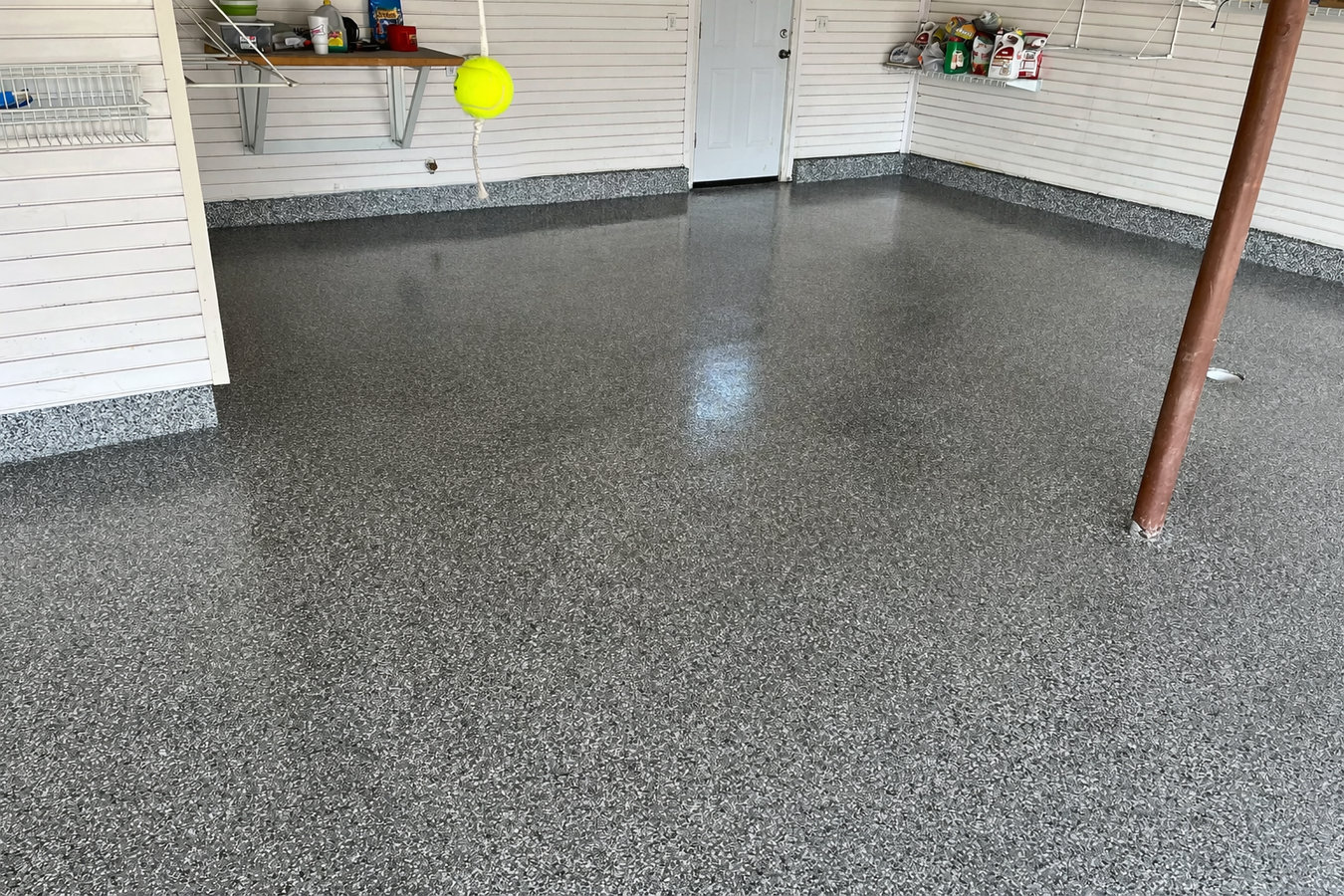
Cracked, uneven, or bare-dirt garage floor? We pour new concrete built for desert heat and caliche soil, so it holds up for years, not months.
Garage floor concrete in Las Cruces means removing the old slab if needed, preparing the caliche and sandy base underneath, and pouring a new slab that is properly cured for the desert climate, most jobs take one to three days of active work plus seven or more days before you can park on it.
Many Las Cruces homeowners are surprised to discover how much a failing garage floor is costing them. Dust tracked into the house, oil soaking into bare ground, hollow spots under the slab that can give way under vehicle weight, these are daily problems with a concrete fix. Whether you need a full replacement or are pouring concrete over bare dirt for the first time, the process is more straightforward than most people expect.
If you are also thinking about the look of the finished surface, we offer decorative concrete options including sealed, stained, and epoxy-coated finishes that go on after the slab fully cures.
Cracks you can fit a coin into, or cracks running from one side of the slab to the other, signal the floor is failing structurally. In Las Cruces, these often trace back to caliche soil that shifted or concrete that dried too fast in the summer heat. Once a crack reaches this size, patching it is usually a short-term fix at best.
Walk across your garage floor and knock on it with your knuckle or a rubber mallet. A hollow thud means the concrete has separated from the base underneath it. This is more common in Las Cruces than in wetter climates because caliche soil can shift without visible warning signs. A hollow floor can collapse under vehicle weight.
If your garage door scrapes the floor on one side, or water collects in a low spot instead of draining out, the slab has settled unevenly. Uneven settling in Las Cruces is often tied to how caliche and sandy desert soils behave differently under a structure over time. A floor that has settled significantly cannot simply be patched.
If the top layer of your concrete is peeling off in chips or developing small pits, the floor is spalling. In Las Cruces, this is often the result of a slab that dried too fast during the original pour in summer heat without proper curing. Spalling gets worse over time and exposes the rougher material underneath, making the floor harder to clean and easier to damage.
Our garage floor work covers the full range: new pours over bare dirt, full slab replacement when the existing floor has failed, and thickness upgrades for homeowners who park heavy trucks or trailers. Standard residential slabs are four inches thick; we pour to five or six inches in areas that take heavier loads. Every pour includes base compaction, control joint cutting to manage cracking, and a curing process designed for the Chihuahuan Desert heat. We use wire mesh reinforcement as standard and can add rebar for slabs with known soil movement issues.
For homeowners who want more than a plain gray surface, we pair garage floor projects with decorative concrete finishes, including epoxy coatings and concrete sealers applied after the full 28-day cure. For homeowners looking to connect the garage to a finished interior, we also install concrete floor installation in adjacent spaces. We handle permits through the City of Las Cruces Development Services Department on projects that require them, so you are not navigating that process alone.
Suits homeowners with unfinished garage floors who want a clean, sealed surface for the first time.
Suits homeowners whose existing floor is cracked, hollow, or settled beyond what repair can fix.
Suits homeowners who regularly park trucks, RVs, or loaded trailers that exceed standard residential weight.
Suits homeowners who want an epoxy or sealer applied after curing for a clean, stain-resistant surface.
Las Cruces regularly sees summer highs above 100 degrees, and that heat pulls moisture out of fresh concrete far faster than it should. When concrete dries too quickly it can crack before reaching full strength. A contractor working here in summer needs to pour early in the morning, keep the slab moist or covered during curing, and possibly use additives that slow the drying process. The low humidity of the Chihuahuan Desert, often below 20 percent in summer, speeds up surface drying even further and increases the risk of a weakened top layer. If a contractor does not mention any of this, that is a detail worth asking about directly.
Much of the Mesilla Valley also sits on caliche, a hard, calcium-rich soil layer that does not absorb water well. Drainage under a slab can be poor, and water that has nowhere to go eventually undermines the concrete above it. We account for this during base preparation rather than treating every job like it is on standard fill dirt. Many older homes in Las Cruces, particularly those built before the 1980s, were also built with bare-dirt garage floors that have never had concrete poured. Pouring over bare ground is one of the most cost-effective upgrades a homeowner in this area can make.
We serve homeowners across the greater Las Cruces area, including Anthony, Sunland Park, and Chaparral. If you are outside Las Cruces city limits, call us and we will confirm whether your address is in our service area.
We reply within one business day and ask a few basic questions: garage size, existing floor condition, and your timeline. No quote is given until we see the space in person, because the soil and existing slab affect the price significantly.
We visit, check the slab and soil, look for drainage issues, and assess whether demolition is needed. In Las Cruces we also ask about your schedule relative to the monsoon season and factor that into our recommendation.
In warm months, crews start before 7 a.m. to beat the heat. We prepare the base, set the forms, pour the concrete, finish the surface, cut the control joints, and begin curing before we leave.
Light foot traffic is safe after about 24 hours. You can park on the slab after seven days. Full strength takes about a month. We walk through the finished work with you before we close out the project.
Free on-site estimate. We pull the permit. No pressure, no vague quotes.
(575) 222-9104We pour early, keep the slab moist, and account for Las Cruces heat and low humidity on every project. Rushing the cure is the most common reason garage floors crack within the first year here; it is a step we never skip.
Hundreds of Las Cruces slabs have been poured without accounting for the caliche layer underneath. We assess the base before every pour and compact or grade it for the specific soil under your garage, not a generic one-size approach.
For projects that require a City of Las Cruces building permit, we handle the application and coordinate the inspection. That documentation matters when you sell your home or make an insurance claim.
Wire mesh reinforcement is standard in every residential pour we do, consistent with American Concrete Institute guidance for slab-on-grade construction. It is cheap insurance that keeps cracks contained if they do occur.
Every one of those points translates to a floor that still looks and performs the way it should three or four summers from now. If you want to verify our licensing status before calling, you can check the New Mexico Construction Industries Division contractor database online.
Upgrade a new garage slab with an epoxy coating, stain, or sealer applied after the pour cures, turning a functional floor into a finished space.
Learn moreExtend your concrete work into adjacent interior areas with a finished floor slab installed to the same standard as your garage.
Learn moreSpring project slots fill fast once temperatures climb, so the best time to schedule is now.