Loading...
Serving Las Cruces, NM and surrounding areas. (575) 222-9104
Serving Las Cruces, NM and surrounding areas. (575) 222-9104
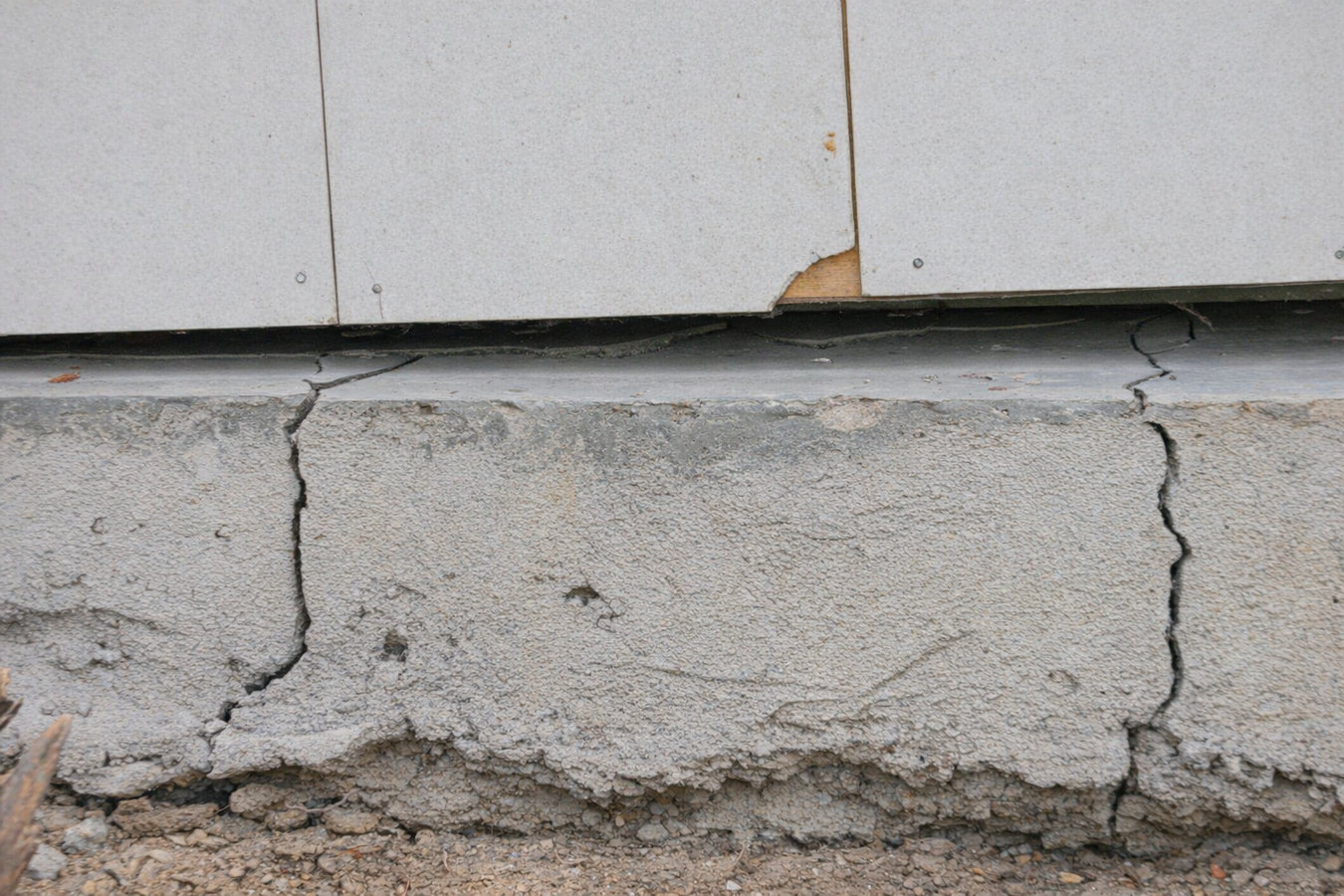
Sunken driveways, tilted patios, and uneven walkways are common in Las Cruces. We lift them back to level the same day, without tearing out the entire slab.
Foundation raising in Las Cruces lifts sunken concrete slabs back to their original level by pumping material into the void underneath - most residential jobs take two to four hours and the surface is usable again the same day.
If your driveway has a visible dip, your patio tilts toward the house, or your front walkway has a section that drops an inch or two, the concrete itself is usually fine. The soil underneath has simply dried out, washed away, or compressed. Foundation raising fills that void and pushes the slab back up without breaking anything out. It is a fraction of the cost and disruption of a full replacement.
For slabs that are too cracked or deteriorated to save, we also offer slab foundation building - a full replacement poured to current standards with proper soil prep and reinforcement.
Stand at one end of your driveway, patio, or walkway and sight down its length. If one section sits noticeably lower than the rest, even by an inch or two, the soil underneath has shifted. In Las Cruces, this often develops gradually over dry summers and becomes obvious after monsoon rains rush into the gap below.
If a crack or open gap has formed where your driveway, porch, or patio meets the house, the slab has moved downward relative to the structure. This is common in older Las Cruces neighborhoods where clay soils have expanded and contracted for decades. Water enters through that gap and accelerates further settling.
Tap the surface with your heel or a rubber mallet. A solid thud means good contact with the soil. A hollow sound, or a slight flex when you walk, means there is a void underneath and the slab is unsupported in that spot. Left alone, that section will continue to drop and may eventually crack.
When a slab connected to your home shifts, it can put pressure on door frames and window openings. If a door that once swung freely now drags or will not latch, and you have not had any structural work done recently, a settling slab nearby is worth having a contractor assess before the movement gets worse.
We raise sunken slabs throughout Las Cruces using mudjacking, which pumps a cement-and-soil slurry through small holes drilled in the surface, and polyurethane foam injection, which uses an expanding foam that cures faster and leaves smaller holes. Both methods lift the slab back to level without excavation. We assess your specific slab before recommending a method, because the right choice depends on the size of the void, the condition of the concrete, and what caused the sinking.
Not every sunken slab is a candidate for raising. When the concrete is cracked into multiple pieces or badly deteriorated, raising will not produce a durable result. In those cases, we will tell you honestly that you need slab foundation building instead, and we can handle that work as well. For homeowners who also need support structures or load-bearing piers tied into the repair, our concrete cutting service handles precision access to the slab and subgrade when needed as part of a more complex repair.
The American Concrete Institute and the Concrete Foundations Association both publish guidance on slab repair tolerances that we follow on every job. We hold a New Mexico Construction Industries Division license, and you are welcome to verify our number before we start.
Suits homeowners with one or more sunken driveway panels where the concrete is structurally intact but has dropped due to soil movement.
Suits outdoor living slabs that have tilted or settled unevenly, creating tripping hazards or slopes that direct water toward the house.
Suits front entry walkways and exterior steps where uneven sections have created safety concerns or a visual gap at the foundation.
Suits garage floors with low spots or slopes where water pools after rain or where the settled surface is affecting door clearance.
Las Cruces averages fewer than 10 inches of rain a year, and summer temperatures push past 100 degrees regularly. That combination dries out the soil under slabs faster than in almost any other U.S. city, creating voids that form slowly over many dry seasons. Then the monsoons arrive in July and August and rush water into those voids. It is a pattern that repeats every year, and it is the most common cause of sinking concrete in the Mesilla Valley. Addressing a sinking slab before monsoon season closes each summer repair window is one of the simplest ways to stop the problem from compounding.
Older neighborhoods carry additional risk. Homes in Las Cruces neighborhoods like Mesquite, University Park, and the areas near downtown that were built from the 1950s through the 1980s often sit on soil that was not compacted to modern standards. Those slabs have had decades to settle, and the underlying void can be larger than it looks from the surface. A contractor who knows the local soil profile can assess depth and fill volume accurately, which is what separates a repair that lasts from one that needs to be done again.
Properties near the Rio Grande and the valley irrigation canal network, common in Anthony and other Mesilla Valley communities, can sit on soils that have been repeatedly saturated and dried over generations of agricultural irrigation. This history of moisture movement leaves pockets of loose or unstable ground beneath slabs that were not obvious when homes were built. Homeowners in these areas often see faster settling than those on the east mesa, and they benefit from a contractor who asks the right soil questions before pricing the work. Residents in Sunland Park face similar conditions where valley-floor soils meet older residential development.
Tell us where the slab is, roughly how much has settled, and whether you have noticed any cracks. We reply within one business day and can usually schedule an on-site visit within a few days.
We walk the slab, measure the drop, check for cracks, and assess what caused the sinking. You get a written estimate before we leave - no phone-guessing on a job where the void size matters.
The crew drills small holes, pumps material until the slab returns to level, then patches every hole flush. Most jobs run two to four hours from setup to cleanup.
We walk you through the finished work before leaving. For most jobs, you can walk the surface within a couple of hours and drive on it by end of day. We also discuss what caused the sinking and what you can do to slow down a repeat.
Free on-site estimate. Written quote before we start. No pressure, no obligation.
(575) 222-9104Some contractors push raising on slabs that are too far gone because it is faster and easier to sell. We tell you plainly which option fits your situation before we take any money. If your slab needs full replacement, we say so.
New Mexico requires a state license for this work. We hold one through the Construction Industries Division, and you can look up our license number yourself before signing anything. That step protects you if anything goes wrong.
Las Cruces caliche and shrink-swell clay behave differently from soils in other markets. We factor local soil conditions into every void assessment and do not give flat-rate phone quotes for work where the ground profile changes block to block.
We serve Las Cruces and 11 surrounding communities including El Paso, Alamogordo, and Deming. That regional reach means consistent licensing, materials, and standards on every job, regardless of which side of the city line your property sits on.
Every foundation raising job we do in Las Cruces comes with a site-specific assessment, a written quote, and a conversation about what caused the problem and how to slow it down. That combination of honesty, local knowledge, and licensed work is why homeowners across the Mesilla Valley call us when a slab starts to drop.
Precision diamond-blade cuts for slab removal, trench access, and drainage channel installation throughout the Las Cruces area.
Learn moreFull slab replacements and new construction foundations built to current standards with caliche-specific soil prep and a city permit.
Learn moreEvery summer in Las Cruces, delayed repairs get harder and more expensive. Call today or request a free estimate online and we will have someone out to walk your slab within a few days.