Loading...
Serving Las Cruces, NM and surrounding areas. (575) 222-9104
Serving Las Cruces, NM and surrounding areas. (575) 222-9104
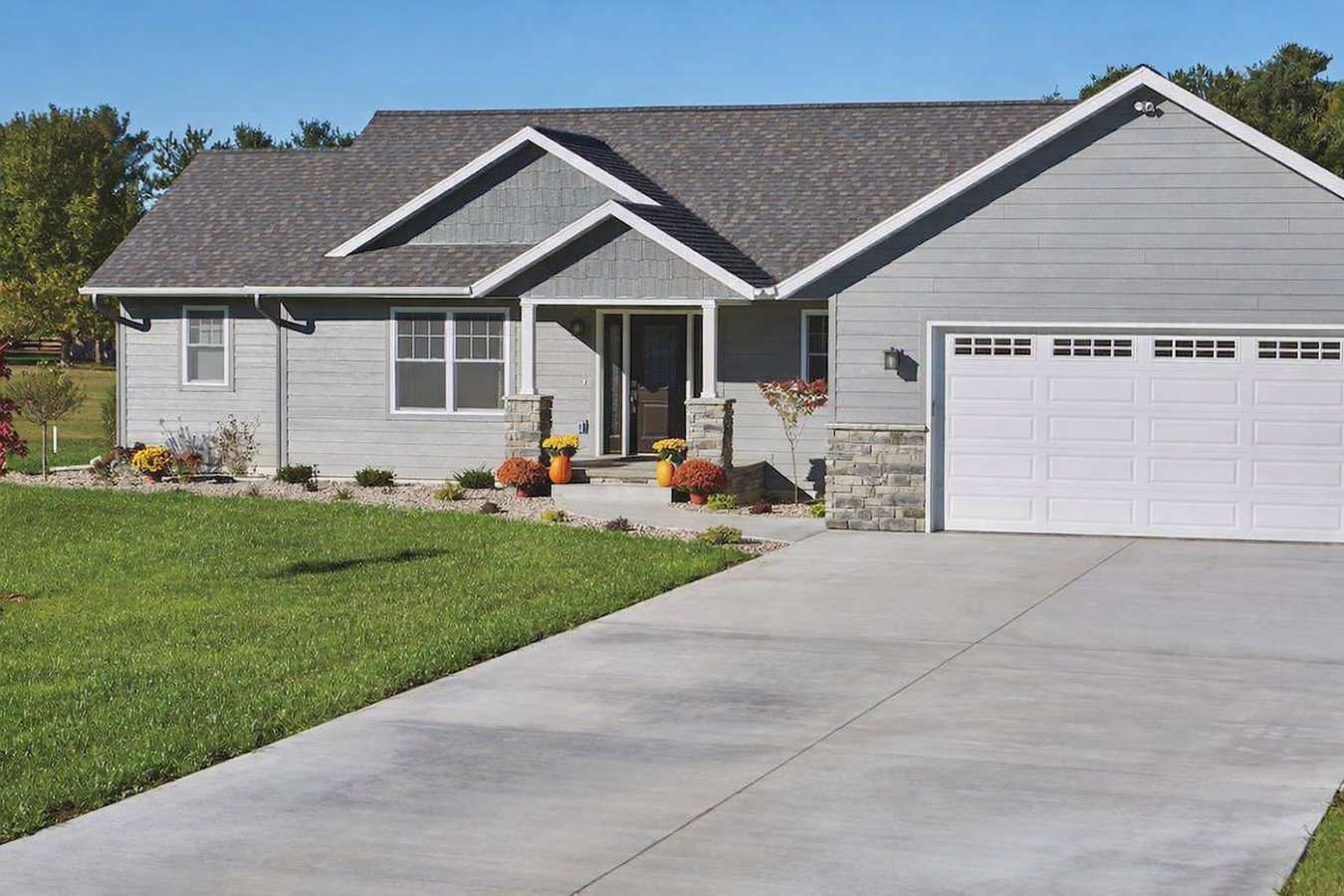
Your driveway takes the full force of the desert sun, monsoon rain, and shifting caliche soil. We build concrete driveways in Las Cruces that are engineered for those exact conditions - with proper base prep, hot-weather curing, and permits handled from the start.
Concrete driveway installation in Las Cruces involves removing the old surface, compacting a gravel base built for local caliche soil conditions, pouring and finishing the slab, and curing it properly against the desert heat - most residential jobs take one to three days of active work.
This is not a job where the pour day is the hard part. The prep work underneath - grading, compacting, accounting for how Las Cruces soil moves with monsoon wet-dry cycles - determines whether your driveway holds up for 30 years or starts cracking within the first few seasons. If you are also planning walkways near the new driveway, our concrete sidewalk building service is often scheduled alongside driveway work to keep the site prep efficient.
Las Cruces requires a permit for most new driveway construction. We pull that permit before any work begins, coordinate the city inspection, and give you documentation that protects your home value.
When a crack is wide enough to fit a pencil tip, water is getting in. In Las Cruces, monsoon rain pushes into those gaps and occasional winter freezes widen them. Multiple wide cracks across the slab mean the underlying base has failed - patching will not fix that.
If part of your driveway sits lower than the rest or you feel a bump at a seam, the base underneath has shifted. Las Cruces's expansive desert soils move when wet during monsoon season and settle unevenly as they dry. Once the base has moved, the slab above will not self-correct.
When the top layer chips away in thin flakes or the slab edges crumble, the concrete itself has broken down - usually the result of a poor original pour or inadequate curing in the heat. Surface patching buys time, but a driveway in this condition typically needs full replacement.
Standing water after a monsoon shower means the slope is wrong. Water that pools instead of draining toward the street accelerates concrete deterioration and can direct runoff toward your foundation - worth fixing before the next rainy season.
We handle the full range of residential concrete driveway work in Las Cruces - new construction on bare ground, full replacement of an existing driveway, and widening or extension of a current slab. Each job starts with a site visit to assess your soil, grade, and access before we quote anything.
Finish options include standard broom texture (the most practical choice for desert conditions, because the ridges provide grip on a dusty surface), exposed aggregate for a natural stone appearance, and stamped concrete patterns for homeowners who want a decorative look. If you want something more elaborate for an adjacent outdoor area, our concrete patio construction service can be paired with driveway work for a unified look and a single mobilization.
Every project includes permit handling, proper base preparation for Las Cruces soil conditions, hot-weather curing protocol, and a walkthrough when the job is complete.
Bare ground or gravel prep - built from scratch with a compacted base and your choice of finish.
Old slab removal through new pour - the right option when repairs would cost more than starting over.
For homeowners who want curb appeal beyond plain gray - stamped, brushed, or exposed aggregate finishes.
The Chihuahuan Desert climate creates two concrete killers that contractors from wetter climates do not always account for: extreme heat that pulls moisture out of fresh concrete before it can cure properly, and soils that expand and contract with every monsoon wet-dry cycle. A driveway poured without hot-weather precautions or without a base built for local soil movement will fail faster than one built to Las Cruces conditions - regardless of how good the pour day looks.
The caliche layer common across the Las Cruces area requires specific equipment and time to break through during base prep. We account for it in every estimate rather than treating it as a surprise extra charge mid-project. Homeowners in newer east mesa subdivisions like Sonoma Ranch often encounter rocky mesa soil that drains differently than valley floor properties - we check both before quoting.
We serve the full Las Cruces area, including homeowners in Anthony, Sunland Park, and Chaparral where soil conditions vary from the valley floor. Call us and we will come look at your site before we give you any number.
We schedule a time to come see your property in person. We measure the area, check your soil, review your access, and explain what's included in the price - no surprises later.
After you accept the estimate, we pull the required permit from the City of Las Cruces. We schedule around Las Cruces heat and monsoon season to give your pour the best conditions.
We remove the old surface, grade and compact the base for local soil conditions, then pour and finish the slab. Hot-weather pours start early morning to avoid peak heat.
We apply a curing compound to protect the slab in the desert heat. You stay off it for 7 days by vehicle. We walk through the finished job with you and answer any questions.
We respond to all estimate requests within 1 business day.
We respond within 1 business day. There is no obligation - just a free on-site estimate. After you submit, someone from our office will call to schedule a time to come see your property and give you a written price.
(575) 222-9104New Mexico requires state licensing for concrete contractors - you can verify our license on the state portal. That license means we carry insurance, have passed trade testing, and are accountable to a state regulatory body if something goes wrong.
We live and work in the same climate you do. We know what caliche does to a base layer, how to schedule pours around the monsoon, and which neighborhoods sit on mesa rock versus valley floor soil.
Every estimate requires us to walk your property first. That is how we catch caliche, grade issues, and access problems before they become surprise charges during the job.
We handle the City of Las Cruces permit application before any work begins. You get documentation of a permitted, inspected project - which matters when you refinance or sell your home.
A new concrete driveway is one of the few home improvements that pays back in both daily function and resale value. We build them to last in this climate - not just to look good on the day of the pour. Learn more about our licensing and background on our about page, or verify New Mexico contractor licenses through the Construction Industries Division.
Many driveway projects are a natural opportunity to add or replace an adjacent patio slab - one mobilization, one base prep, a unified finished surface.
Learn moreConnecting a new driveway to walkways around the home ties the property together and eliminates the dusty gravel paths most Las Cruces yards default to.
Learn moreSlots fill up quickly before monsoon season - contact us now for a free on-site estimate and a written price with no obligation.