Loading...
Serving Las Cruces, NM and surrounding areas. (575) 222-9104
Serving Las Cruces, NM and surrounding areas. (575) 222-9104
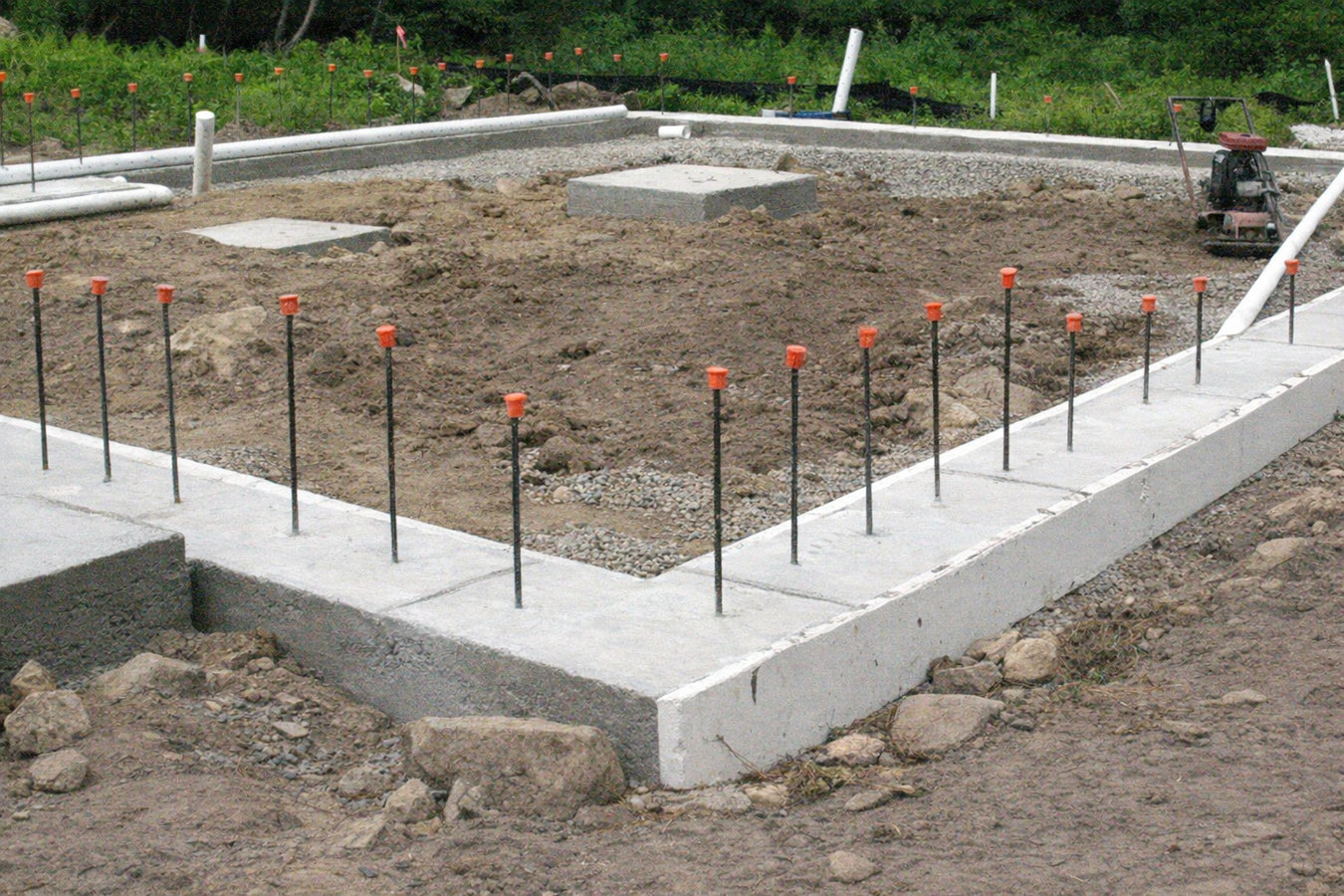
Building a casita, addition, or patio and not sure what goes underground? We pour concrete footings in Las Cruces engineered for caliche soil, monsoon moisture swings, and the city permit process, so your structure stands level for decades.
Concrete footings in Las Cruces involve excavating trenches or holes to the required depth, setting steel rebar inside the forms, and pouring concrete so the load above is spread across stable soil rather than concentrated on a narrow point. Most residential footing projects, including additions, covered patios, and casitas, are poured in one to two days once the permit is approved and the site is excavated.
Most Las Cruces homeowners contact us when they are adding onto an existing house or building a new structure on their property. Las Cruces has a large stock of older homes from the 1960s through 1990s, and casita additions, covered portals, and detached garages are common projects in that housing stock. The footing is the first thing built and the last thing you ever see, which is exactly why it matters so much to get it right from the start.
Footings that support heavy perimeter walls also need to be sized for the lateral load those walls create, particularly for foundation raising projects where existing footings must be extended or a new stem wall added beneath an older structure.
Diagonal cracks running from the corners of windows or doors are a classic sign that the foundation or footings beneath that part of the house have shifted. In Las Cruces, expansive clay soils and caliche layers can cause uneven settling, especially after a wet monsoon season followed by an extended dry stretch. These cracks do not always mean disaster, but they do mean something has moved and a professional should assess it.
When footings settle unevenly, the house frame can rack slightly out of square, and doors and windows are often the first place you notice it. If this started happening gradually over a season or two, especially after a period of heavy rain or drought, it is worth having someone check whether the foundation is moving. Ignoring it means the racking continues with each wet-dry cycle.
Fence posts and retaining walls need proper footings to stay upright, especially in Las Cruces where the soil shifts with moisture changes throughout the year. If your fence keeps leaning or a retaining wall is bowing outward, the footing underneath may be too shallow, too narrow, or sitting in unstable soil. Replacing the post without fixing the footing will repeat the problem in the same season.
Any new structure attached to your home, or a freestanding one like a casita or detached garage, needs its own footing to sit on. In Las Cruces, where patio additions and casitas are common, this is one of the most frequent reasons homeowners need footing work done. If you are planning an addition and a contractor has not mentioned footings yet, ask before any framing or masonry starts.
We pour footings for room additions, covered patios and portals, detached garages, casitas, retaining walls, fence lines, and gate posts. For addition work, we assess the existing foundation before designing the new footing so the two connect properly without transferring stress to the older structure. Every footing we install is reinforced with rebar sized for the load it will carry, and we never skip that step to reduce cost.
The American Concrete Institute publishes the structural concrete standards that govern proper footing design. For projects that involve raising or stabilizing an existing structure, our foundation raising service handles the footing extension work required to bring an older slab or stem wall up to grade. When a project also requires a full new slab, our foundation installation work can be coordinated in the same mobilization so the footings and the slab pour are sequenced correctly.
We handle the City of Las Cruces building permit application and coordinate the city inspection so you do not have to manage that process yourself. The inspector visits before the pour to confirm trench depth and rebar placement are correct. That inspection creates a permanent record that the work was done right, which protects you when you sell the property.
Suits homeowners adding a new attached or detached structure to an existing Las Cruces property, including casitas, guest rooms, and ADUs.
Suits homeowners building covered outdoor living spaces, including traditional New Mexico portals and modern patio covers, that need a permanent base.
Suits properties with grade changes or erosion concerns where a concrete retaining wall needs a properly sized footing to resist lateral soil pressure.
Suits homeowners replacing leaning fence lines or installing new gate hardware that requires a deep, stable footing in Las Cruces's expansive desert soil.
One of the most common footing challenges in Las Cruces is caliche, a rock-hard, calcium-rich layer that sits anywhere from a few inches to several feet below the surface across much of Dona Ana County. Digging through it requires a jackhammer or specialized breaker equipment, and a contractor who has not worked in your neighborhood before may not account for it in their initial quote. The New Mexico Bureau of Geology and Mineral Resources documents caliche distribution across the region. We ask about soil history upfront on every job and build caliche contingency into our estimates so the price you agree to reflects the ground we will actually encounter.
Parts of Las Cruces also have expansive clay soils that swell when wet and shrink as they dry. That wet-dry cycle repeats every monsoon season and is one of the main reasons footings crack or shift in homes that were built without accounting for it. We assess the specific soil conditions on your lot before finalizing the footing size and depth, rather than applying a one-size-fits-all spec to every project. Homeowners in Las Cruces proper, on the East Mesa, and in outlying communities like Chaparral and Anthony can all face different soil conditions within a short distance of each other.
Las Cruces has a large share of homes built from the 1960s through the 1990s, and casita additions are a common project in that housing stock. Older homes in Mesilla Park, University Hills, and downtown-adjacent neighborhoods were sometimes built with footings that do not meet today's depth or reinforcement standards. When we tie new footings into an older structure, we assess the existing footing condition first and let you know if anything needs to be addressed before framing begins.
We ask a few basic questions about your project and visit the site before committing to a number. We will look at the soil, check access, and ask whether you have noticed any unusual ground conditions. Most callers hear back within one business day.
After the site visit you receive a written quote that breaks down labor, materials, and permit fees. Once you approve, we file the permit application with City of Las Cruces Development Services. Approval typically takes a few days to two weeks.
We dig the trenches to the permitted depth, set the steel reinforcement, and call for the city inspection before any concrete goes in. The inspector visits to confirm depth and rebar placement. This typically happens the same day we finish excavation or the following morning.
Once the inspection is approved, we pour the concrete, level the forms, and protect the surface from the Las Cruces heat if needed. Most footings are ready for the next phase of construction within one week. We will let you know the specific timeline for your project before we leave.
We reply within one business day, visit your site before quoting, and handle the city permit process from start to finish.
(575) 222-9104We ask about soil history and caliche depth before we quote, and we build potential caliche removal into our estimate rather than calling you mid-job for more money. Contractors who have worked on 12 streets or 1,200 streets in Las Cruces have a very different picture of what your yard holds. We have worked across Dona Ana County and know which neighborhoods tend to have hard layers close to the surface.
We schedule and attend the city inspection ourselves. The inspector checks trench depth and rebar placement before any concrete goes in, which creates a permanent record that the footing was installed correctly. That record matters when you sell the home and when you apply for future building permits on the same property. It costs us time. It protects you permanently.
Our contractor's license through the New Mexico Construction Industries Division is current and publicly searchable on the NM Regulation and Licensing Department website. Licensed contractors carry the insurance and have met the state's training requirements. A contractor who cannot show you a current NM license before work begins is a risk you do not need to take on a project that gets buried underground.
Footings poured in Las Cruces summers need to be protected from the heat or the surface can dry out before the concrete has cured fully. We schedule early-morning pours and use approved curing compounds on exposed surfaces. This is standard on every job, not something we add only when a customer asks. Las Cruces heat is predictable. So is our response to it.
Every footing we install in Las Cruces is permitted, inspected, and documented. The combination of local soil experience, desert curing protocol, and a clean city permit record means your addition, casita, or patio starts from a base that will not shift underneath it when the monsoon season comes and goes.
Lift and stabilize an existing slab or stem wall in Las Cruces, often requiring new or extended footings as part of the raising process.
Learn moreFull new foundation pours for Las Cruces additions and structures, sequenced directly after the footing work is inspected and approved.
Learn morePermit season books up fast in spring and fall. Call or submit a form now and we will visit your site and give you a written quote within the week.