Loading...
Serving Las Cruces, NM and surrounding areas. (575) 222-9104
Serving Las Cruces, NM and surrounding areas. (575) 222-9104
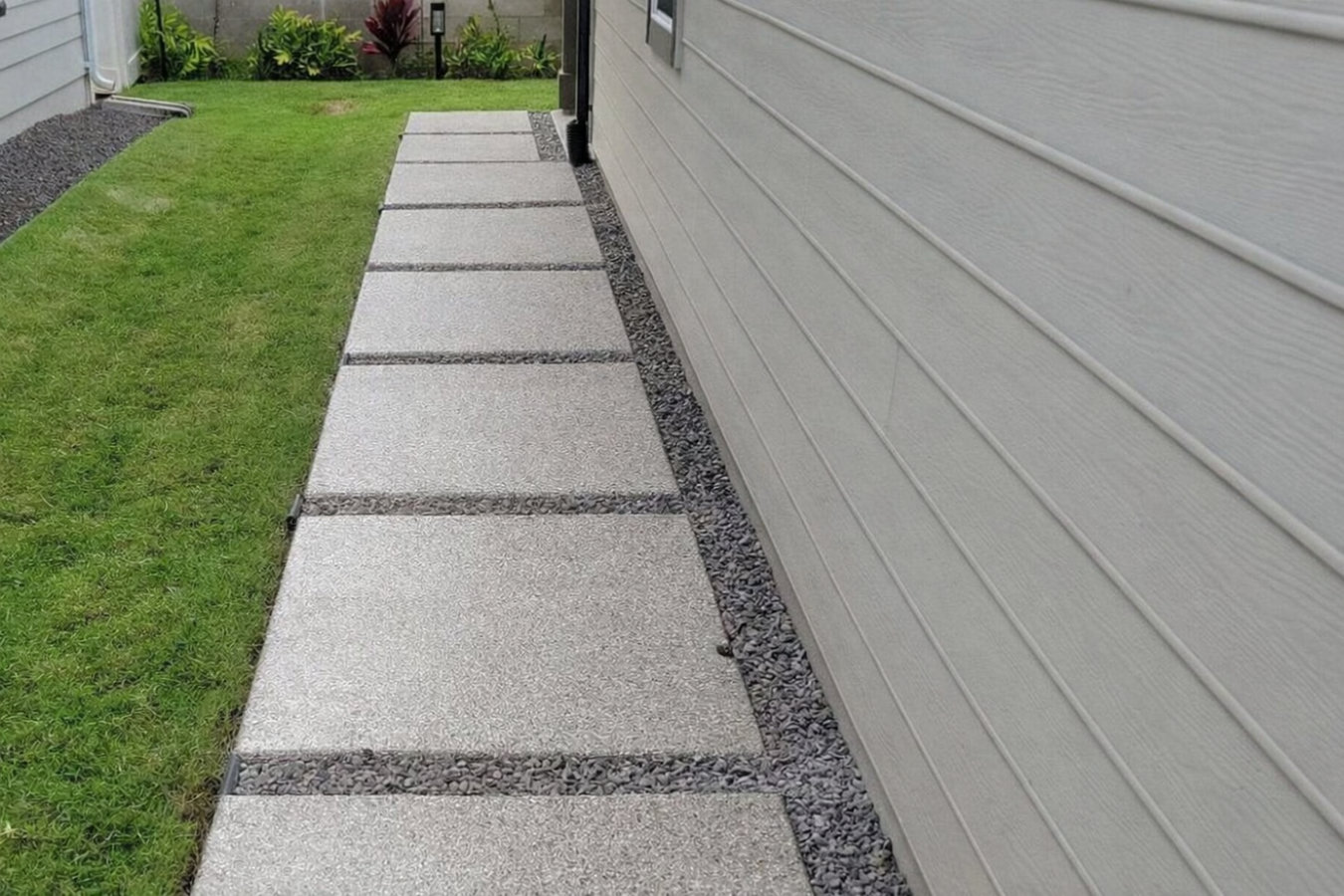
Cracked, uneven, or missing sidewalks are more than an eyesore in Las Cruces. Our crew builds concrete paths that handle caliche soil, desert heat, and monsoon rains without cracking apart in a few seasons.
Concrete sidewalk building in Las Cruces means removing the old surface or preparing bare ground, setting forms, compacting a stable gravel base, then pouring and finishing - most residential projects take one to two days of active work, with foot traffic allowed within 48 hours of the pour. A good base is what separates a sidewalk that holds up for decades from one that cracks or sinks within a couple of monsoon seasons.
Las Cruces homeowners replace sidewalks for a range of reasons: caliche soil movement that cracked or shifted slabs, tree roots heaving sections in older neighborhoods, or surfaces that have simply worn past the point of repair under 300-plus days of desert sun. If you are adding a path where none currently exists, this is also the right starting point. For projects that connect a sidewalk to a larger paved surface, pairing this work with concrete driveway building gives the front of the property a unified, consistent finish.
Cracks running corner to corner in a slab section mean the ground underneath has shifted. In Las Cruces, caliche soil contracts and expands with monsoon moisture, accelerating this damage. Once you can fit a finger in the crack or see one edge sitting higher than the other, patching is no longer a reliable fix.
A bump or height difference between adjacent sections is a trip hazard, and it is one of the most common issues in older Las Cruces neighborhoods. Tree roots or settling soil are typically the cause. Beyond inconvenience, an uneven sidewalk creates real liability if someone falls on your property.
When the top layer chips away or the edges crumble when pressed, the concrete has deteriorated past the point where patching or sealing helps. Las Cruces UV exposure and heat cycling break down older concrete surfaces faster than in cooler climates. A full replacement with a properly prepared base is the right answer at this stage.
A sidewalk that pools water after a monsoon shower was either poured without proper slope or has settled unevenly. In Las Cruces, where storms can dump a lot of water quickly, standing water on a walk creates a slip hazard and accelerates further surface deterioration. If puddles sit for more than a few minutes after rain, the surface needs attention.
The most common call we get is for replacement of cracked or uneven sidewalks in established Las Cruces neighborhoods. This work includes breaking up and hauling away the old concrete, excavating to the right depth, laying and compacting a gravel base, then forming and pouring the new slab. We cut control joints at regular intervals to give the concrete room to expand and contract with the daily temperature swings that are typical in the Chihuahuan Desert, keeping future cracking where it belongs, inside the joints, not across the middle of the walk.
We also build new sidewalks on properties that have never had them, whether that is a path from a detached garage to the house, a side-yard connection, or a front walk from the driveway to the entry. New construction follows the same base prep process, and any project touching the public right-of-way goes through proper permitting with the city. For projects that include the garage floor alongside the exterior walk, our garage floor concrete service handles the interior slab with the same standards.
Finish options range from a standard broom texture, which is practical and slip-resistant, to an exposed aggregate finish that adds visual texture. We also do basic stamped or brushed finishes on request. The Portland Cement Association guidelines on control joint placement are the standard we follow on every project.
Suited to homeowners with cracked, settled, or heaved existing walks that are past the point of repair.
For properties adding a path where none exists, from bare soil or gravel to a finished concrete walkway.
Permitted work for walks that connect to the strip between your property line and the street.
For homeowners who want a broom texture, exposed aggregate, or stamped finish that ties in with the rest of the property.
The combination of Las Cruces summer heat, low desert humidity, and caliche soil creates conditions that make sidewalk construction more demanding than in most other parts of the country. When concrete is poured at 100°F in full sun and low humidity, the surface can dry out before the interior has fully hardened. That produces surface cracking and a weaker finished slab. Our crews schedule pours for early morning and apply curing compound immediately after finishing to slow the surface down and let the whole slab harden evenly.
In older Las Cruces neighborhoods, tree roots are the other major culprit behind heaved and cracked sidewalks. A replacement that does not address the root issue just restarts the clock on the same problem. When tree roots are a factor, we assess whether they need to be cut or redirected before the new slab goes in. Homeowners in Las Cruces and in nearby communities like Anthony, NM and Sunland Park, NM deal with the same soil and climate conditions, and our approach is consistent across all of them.
Las Cruces monsoon season, running roughly July through September, adds another scheduling consideration. Heavy afternoon storms during that period can wash away freshly poured concrete or interfere with curing. We build weather flexibility into project timelines during the monsoon window and plan pours on days without afternoon storms in the forecast. Permits for any work touching the public right-of-way are handled through the City of Las Cruces Development Services office before any work begins.
A phone estimate for concrete work is rarely accurate, so we come out to measure the area, look at existing conditions, and check the base. You get a written quote that breaks out the main cost items clearly. We respond within 1 business day of your inquiry.
If your project touches the public right-of-way, we pull the required city permit. We also call 811 to have underground utilities marked before any digging starts, which is required by law and protects everyone on site.
The crew removes old concrete or clears the area, excavates to the correct depth, and lays and compacts a gravel base layer. This step is where the quality difference shows up years later, so we do not rush it.
We form, pour, finish, and cut control joints in one session, typically early morning. After curing compound is applied, the surface is off-limits for 24 to 48 hours. We walk the finished project with you and cover care and use instructions before we leave.
We respond within 1 business day. There is no obligation, and someone from our office will call to schedule a free on-site visit where we measure the area, check base conditions, and give you a written quote.
(575) 222-9104We apply curing compound immediately after every finish and schedule pours for the cooler part of the day. In Las Cruces heat, this is the step most contractors skip to save time, and it is the reason sidewalks crack early. It is standard procedure on every job we do.
The soil under most Las Cruces homes contains caliche layers that shift with moisture. We excavate properly and bring in compacted gravel fill before the pour. A solid base is the most important factor in how long your sidewalk holds up, and we never skip it to lower the bid.
Any project touching the public right-of-way requires a permit from the City of Las Cruces. We handle the paperwork and scheduling with the city's development office, so you are not left managing a process you have never done before.
We call 811 to have underground lines marked before any digging on your property, without exception. This protects the crew, protects your utilities, and is required by New Mexico law. The American Concrete Institute lists it as a basic standard, and so do we.
The steps above are not extras for premium jobs, they are how we build every sidewalk because the conditions in Las Cruces demand it. If your current sidewalk is cracked, heaved, or missing entirely, call (575) 222-9104 to schedule a free on-site estimate.
If you are also replacing or upgrading the garage slab, our garage floor concrete service brings the same preparation standards indoors.
Learn moreConnect your new sidewalk to a freshly built driveway and give the entire front of the property a consistent, finished appearance.
Learn moreGetting ahead of monsoon season means your new walk is cured and solid before the summer storms arrive.