Loading...
Serving Las Cruces, NM and surrounding areas. (575) 222-9104
Serving Las Cruces, NM and surrounding areas. (575) 222-9104
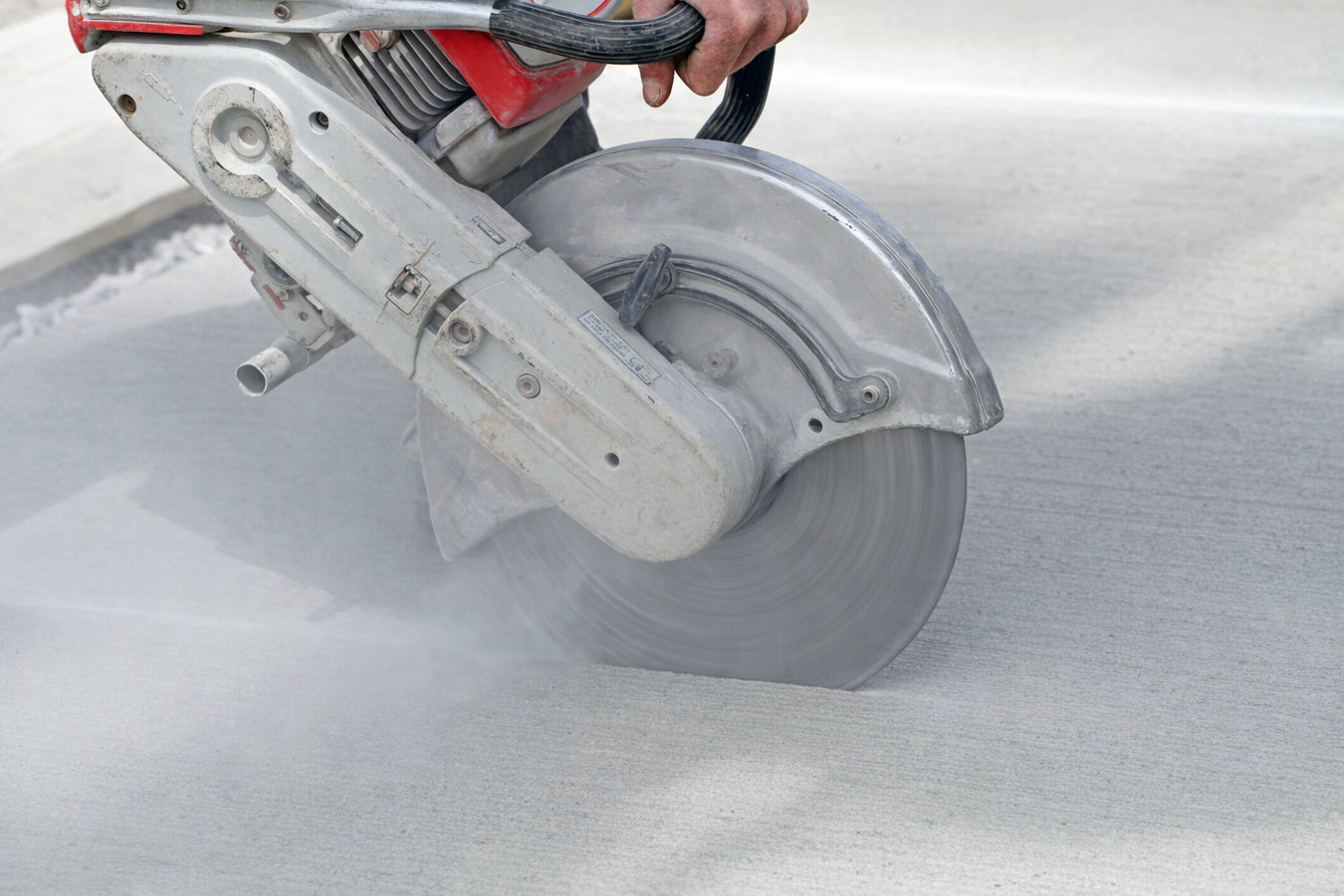
Cracked panels, drainage problems, utility access, planned improvements. We cut concrete precisely where you need it and leave everything else intact.
Concrete cutting in Las Cruces uses diamond-tipped blades to slice through existing slabs, walls, or floors with straight, controlled edges - most residential jobs take a few hours from setup to cleanup, and the remaining concrete is left undamaged right up to the cut line.
This is different from breaking concrete with a jackhammer. Cutting leaves clean, smooth edges that make whatever comes next, whether that is a new panel pour, a drain installation, or a utility trench, much more precise and durable. If you need a section removed, a channel drain added, or access to a pipe below the slab, cutting is the right approach.
After sections are removed, many homeowners move directly to concrete driveway building or concrete parking lot building to replace what was cut out, and we can handle both parts of that project.
If you have cracks running across a section of your driveway or patio, especially where one side has shifted higher than the other, patching rarely lasts. In Las Cruces, caliche and clay soil movement is often the cause. Cutting out the damaged section and pouring a new panel is the more durable fix, and it stops the cracking from spreading to adjacent concrete.
If water pools on your driveway or patio in the same spots every July and August, the concrete is not draining properly. A precisely cut channel drain redirects that water away from your foundation permanently. If you have been watching the same puddles form for years, cutting is the durable solution, not resurfacing.
If a pipe or conduit under your concrete floor or driveway needs repair or replacement, concrete cutting is how the crew accesses it cleanly. You may notice this situation when a drain backs up repeatedly, when you see wet spots on a floor with no obvious source, or when a utility company flags a buried line.
Adding an outdoor drain, a new doorway through a concrete wall, or a connection point for an addition all require the existing concrete to be cut. This is not a sign of damage; it is planned work. If you have been putting off a project because you were not sure how to handle the concrete, cutting is the clean, precise answer.
We use walk-behind flat saws for driveway, patio, and slab cutting, and handheld cut-off saws for walls and tighter spaces. Wet cutting, which uses water to cool the blade and suppress dust, is our standard approach for outdoor residential work because it produces cleaner results and protects your landscaping and neighbors from fine concrete dust. We contain and properly dispose of all cutting slurry in accordance with local stormwater rules, which prohibit washing it into storm drains.
Many concrete cutting jobs are the first step in a larger project. Homeowners who are removing a deteriorated driveway panel typically continue with concrete driveway building to pour a matching replacement section. Commercial and multi-space projects connect to our concrete parking lot building service when cutting is part of a larger surface repair or expansion. We coordinate both phases so you are not managing two separate contractors on the same project.
The Concrete Sawing and Drilling Association sets the industry standards for safe and precise concrete cutting that our crews follow on every job. The OSHA respirable silica standard governs how dust is controlled during dry or partially-dry cuts, and we follow those protocols to protect both our crew and your property.
Suits homeowners who need one or more deteriorated concrete sections cut out cleanly before a new panel is poured.
Suits properties with recurring monsoon drainage problems where a narrow trench cut and drain installation will redirect water away from the foundation.
Suits projects where a plumber or utility contractor needs clean slab access to repair or replace a buried line without tearing up the entire surface.
Suits new or existing slabs where properly spaced control joints are needed to give the concrete a designated place to crack with temperature changes rather than randomly.
Caliche is one of the defining features of Las Cruces soil. This hard, calcium-rich layer sits beneath most properties in the Mesilla Valley and can bond tightly to the underside of a slab, making cut sections more difficult to lift and remove than in other parts of the country. An inexperienced crew will price a job based on the surface area, not the subsurface conditions, and then encounter a problem they did not plan for. A crew that works in Las Cruces regularly accounts for caliche before giving you a number.
Older neighborhoods present their own set of factors. In established areas of Las Cruces that were developed in the 1960s through 1980s, the concrete in driveways and patios is often thinner and may not have the steel reinforcement that became standard in later decades. Older concrete can be more brittle, which means cuts near existing cracks require extra care to avoid introducing new damage in sections that are meant to stay. Homeowners in neighborhoods near downtown Las Cruces and the Mesilla Valley floor see this most often.
Water scarcity adds another local consideration. Las Cruces is one of the driest large cities in the country, and the slurry produced by wet concrete cutting cannot legally be washed into storm drains under New Mexico stormwater rules. We collect and dispose of all slurry properly on every job. Homeowners in El Paso face similar regulations and dry-climate concrete conditions. Residents in communities like Chaparral also benefit from the same Las Cruces-experienced crew when older desert concrete needs to be cut and removed.
Tell us what you are trying to accomplish, where the concrete is, and roughly how thick you think it is. You do not need to know all the answers. We reply within one business day and schedule a site visit to gather the details we need.
We inspect the concrete thickness, check for reinforcement, assess access for equipment, and look at the soil conditions and drainage. In Las Cruces, that last part matters. You get a written quote that breaks down exactly what is included, including debris removal.
If your project requires a City of Las Cruces permit, we handle the application. Once approved, we confirm your prep checklist: clear the area, move vehicles, and ensure water access for wet cutting.
The crew makes the cuts, manages the slurry, removes debris, and leaves the site clean. Before we leave, we walk you through the cut edges so you can confirm everything looks right. Your remaining concrete should show clean edges with no adjacent cracking.
Free on-site assessment. Written estimate before any work starts. Spring slots book fast.
(575) 222-9104We have worked throughout the Mesilla Valley and understand how Las Cruces caliche and older concrete interact. We factor subsurface conditions into every estimate so the number you agree to reflects your actual job, not an average.
New Mexico stormwater rules prohibit washing concrete slurry into storm drains. We collect and properly dispose of all cutting slurry on every job. That protects your property, your neighbors, and keeps the project compliant with local environmental rules.
We serve Las Cruces and 11 surrounding communities across southern New Mexico and west Texas. Our license is current through the New Mexico Regulation and Licensing Department, and you can verify it before we start.
We follow the Concrete Sawing and Drilling Association's industry standards on every job, using diamond-blade equipment that produces clean, controlled cuts. The concrete that is supposed to stay comes out of every job undamaged.
Concrete cutting in Las Cruces is not just about making a straight line. The caliche soil, the older housing stock, the temperature swings, and the stormwater rules all shape how the job needs to be approached. Our crew works in this environment every week, which means fewer surprises for you and better results on the finished project.
New driveway panels and full driveway replacements poured with caliche-appropriate soil prep and reinforcement after cutting out old sections.
Learn moreFull commercial and residential parking lot pours, including panel replacement following section removal and drainage correction.
Learn moreBefore the summer heat arrives, get your cracked panels removed or your drainage fixed. Call today or request a free estimate online and we will be out to walk your property within a few days.